Research Images


Serial Planes Phase A


Serial Planes Phase B


In Serial Planes Phase A, the problem presented was to use a book to create a 3-D art form that is a completely different form than the original book. While solving the problem, the book had to be unrecognizable in its new form. In this phase of the project, I was unsure at what to make of the book. I had the book, Jesus for President. Every page was colored differently so I thought it would create an interesting pattern or texture when folding and tearing the pages. I practiced on two books before starting my final. I came up with the idea of creating a hot air balloon out of the book. The colors would play a huge role due to the vibrant colors in real life hot air balloons.
When constructing the balloon, I cut the paper into two parts. The top was 2/3 of the page and the bottom 1/3 of the page. I continuously folded the top to create a circular shape. I rolled the bottom of the book into rolls of ten to fifteen pages to make a circular basket. I then cut stripes pages that fell out in the construction of the project and pasted them onto the rolls of paper to create a weaving feeling.
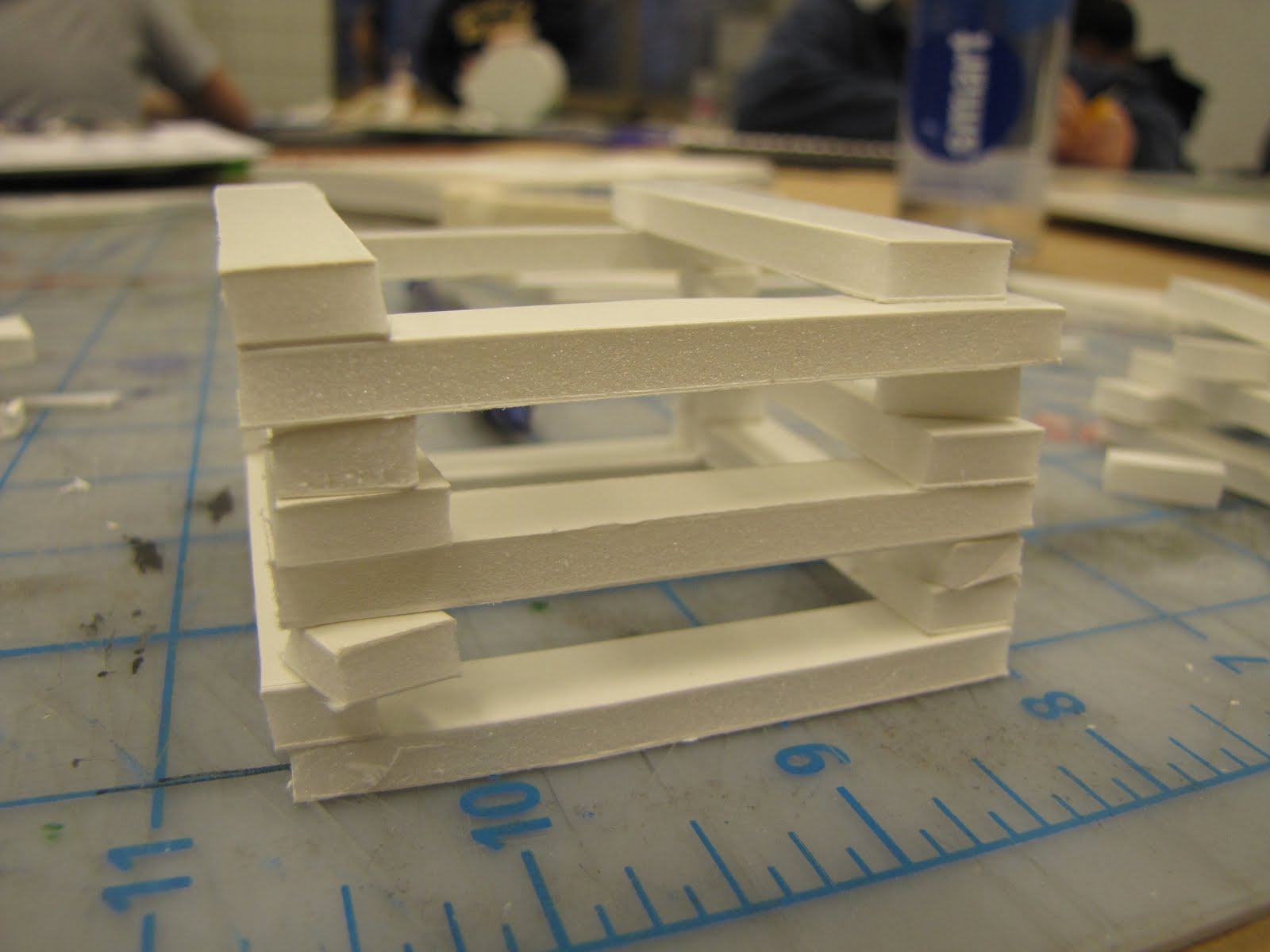
Similar to Phase A in this project, Phase B, dealt with foam board. I went in the same direction with the content of the project. I used the idea of a hot air balloon with foam board. I cut various sizes of circles to stack for the top of the balloon. For the bottom, I cut rectangles to stack to create the basket.
After finishing Phase B with the foam board, I compared the two projects. I found the book design to be more enjoyable due to the color and intricate ways of folding the paper to create volume. In Phase B, the foam board was harder to cut into perfect circles, which frustrated me. I switched exacto knives towards the end and it made a smoother cut. If I were to do this project over with the foam board, I would use the second exacto knift to make smoother cuts. Overall, I learned how to use serial planes to create volume.


